Mantis Shrimp are effective hunters, but it turns out they are also effectively hunted.
Mantis shrimp as prey
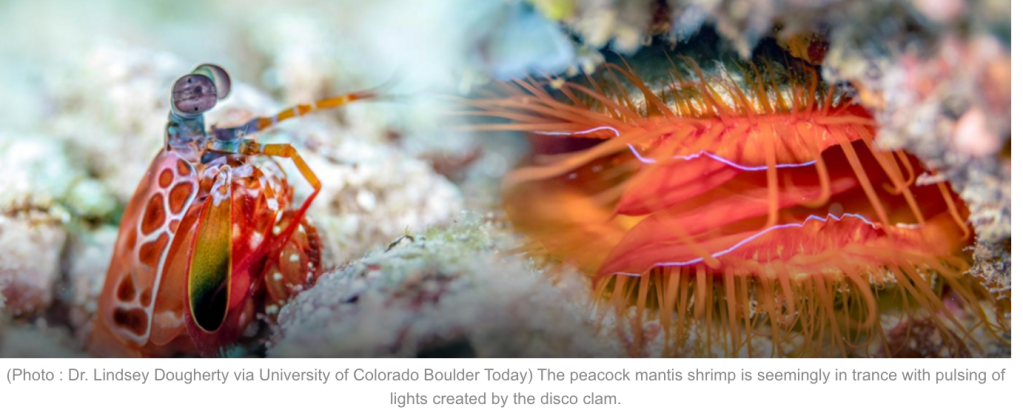
Not surprisingly, these mighty creatures do not have to worry about being preyed on too often. They have been found in the stomachs of larger fish and sharks, but the mantis shrimp actually sits pretty high on the food chain. In fact, they are at a very low risk of being endangered or going extinct. These guys have been around for millions of years.
Mantis shrimp and Coevolution
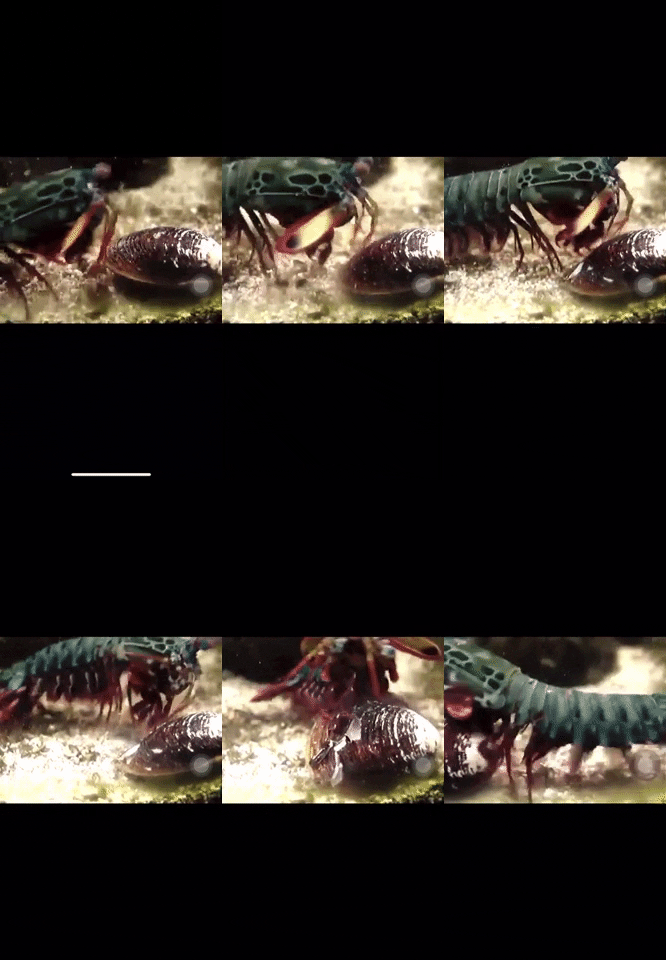
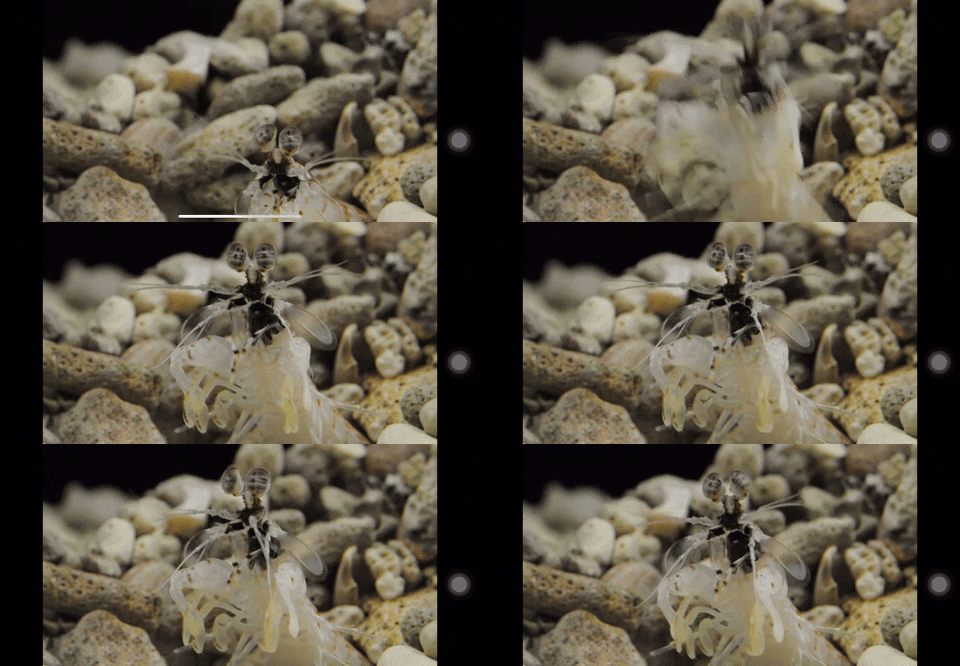
In biology, we often see predator-prey coevolution especially with defenses. Prey will evolve defenses against predators, predators will then evolve counter measures. This ongoing relationship is also seen with mantis shrimp and their hard-shelled prey. According to researchers, mollusks have evolved to have harder shells and even shells that take different shapes due to the cracking forces of their predators. In response to these evolutionary tactics, mantis shrimp have evolved behavioral strategies to combat the hard-shells of their prey. Mantis shrimp have evolved shell striking behaviors based on position, hardness, and even shape. Researchers have discovered Mantis shrimp have evolved mechanisms that allow them to strike mollusks differently based on the hunting scenario. These shrimp strike specific points on the shells to inflict a specific overall weakening of the shell. They also will reposition mollusks in the area against rocks in order to strike specific points and inflict the most damage!
Mantis Shrimp as predators
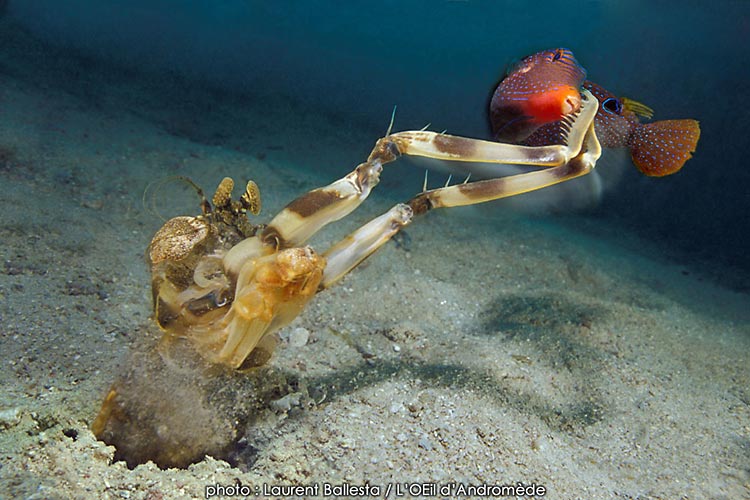
Mantis shrimp are crustaceans with a generalist diet. They are not specific predators being known to eat any food available to them. Both the smasher and spearer shrimp are equipped to devour hard shelled prey (like crabs and clams); they are also able to hunt soft-bellied prey as well like fish and worms. Mantis shrimp are also cannibalistic eating other mantis shrimp! These shrimp are classified as secondary consumers because they are predators to some and prey to some.
Ecological Role of Mantis Shrimp
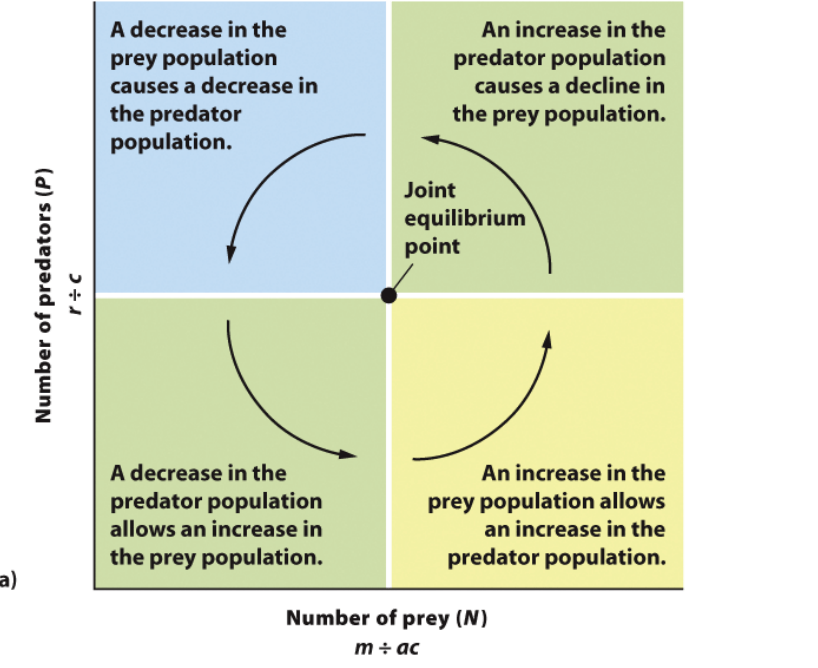
Predator-prey dynamics limit population abundance in ecosystems. According to researchers, mantis shrimp are the “thugs of crustaceandom.” The tropical predators play an important role in the food chain, and human hunting for these delicacies has shown a predator-prey relationship between the stomatopoda and benthopelagic fish.The marine ecosystems researchers are studying are not in a stable state for predator and prey numbers. The predators for benthic fish were much higher than the prey available. Trawling is a fishing practice that uses large nets to catch marine creatures. Mantis shrimp are being fished using these nets, and their numbers have decreased in the ecosystems causing a sharp increase in benthopelagic fish biomass. This follows the stability and isocline models!
 Biological Brilliance