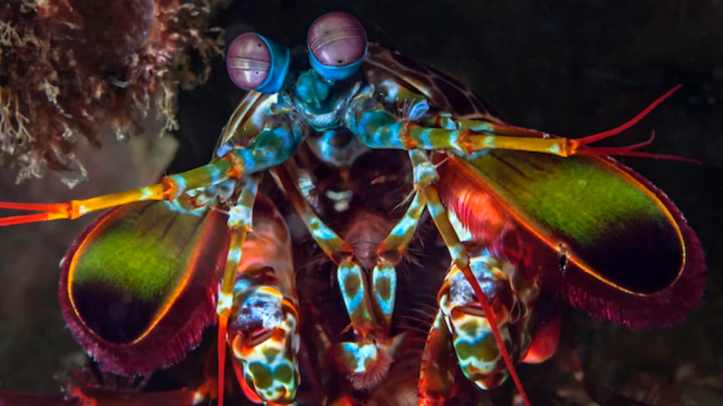
Individuals negatively interact with each other to compete for the same limiting resource that both depend on. The limiting resource means that one individual gets more, and the other gets less. The individual who gets less of the resource is limited by growth, distribution, or abundance of an organism within the population.
There are two types of competition:
- Intraspecific: between individuals of the same species
- Interspecific: between individuals of different species
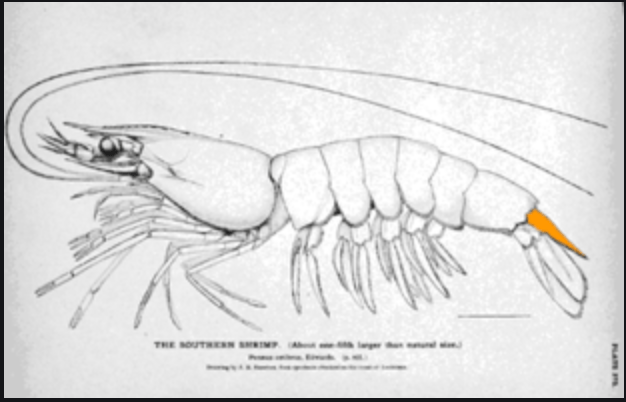
One of the limiting resources that peacock mantis shrimps compete against other mantis shrimps and other coral reef animals for is the cavity or burrows. Peacock mantis shrimp use their raptorial appendages to fight and compete for home cavities since they are limited. According to researchers, peacock mantis shrimp engage in non-deadly contests with each other using their appendages. Mantis shrimp strike each other’s telsons’ ritualistically and repeatedly until the loser retreats losing the territory. Despite the deadly weapons each mantis shrimp has, these predators do not kill each other over territorial disputes.
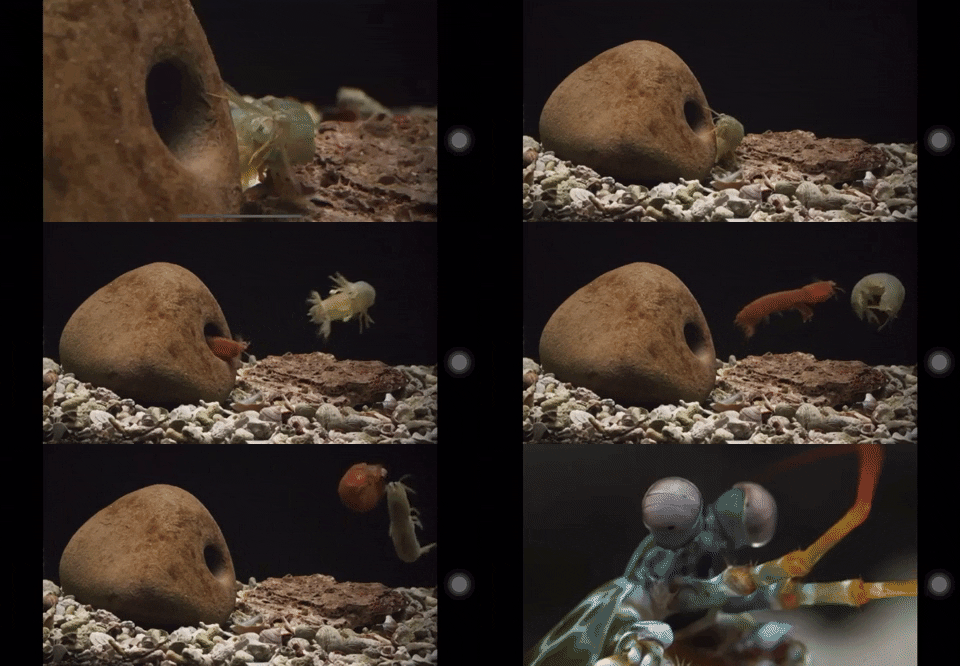
Smasher mantis shrimp are also able to detect if another mantis shrimp occupies a burrow. As we have discussed in previous blogs, the eyes of mantis shrimp are spectacularly useful and complicated. The mantis shrimp is able to detect if a burrow is occupied by the way light shines out of the burrow. The mantis shrimp can interpret this light and avoid a conflict if necessary.
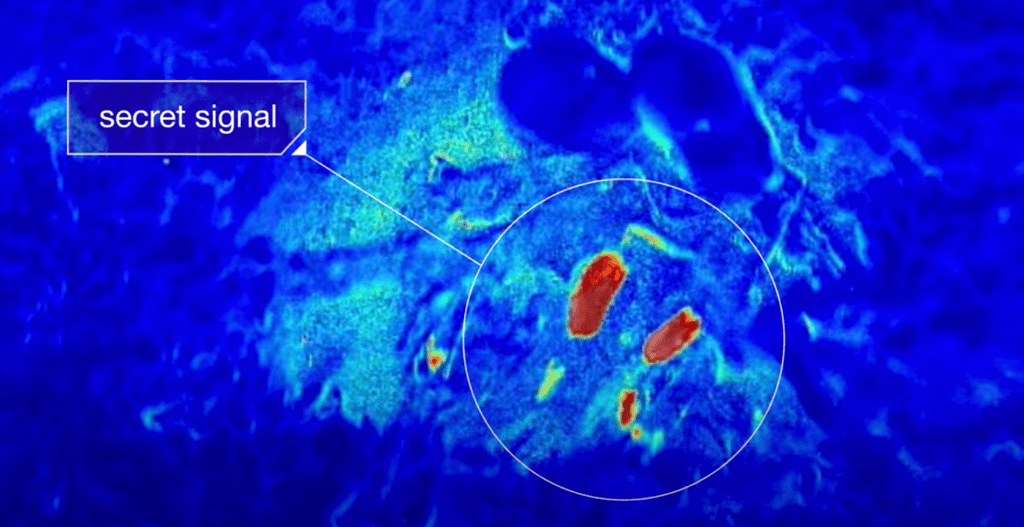
Peacock mantis shrimps also compete with one another (intraspecific) due to the low supply of cavities. Moreover, they compete with the cavity owner so they can win the competition and evict the cavity. Again, they fight by using their deadly appendages!
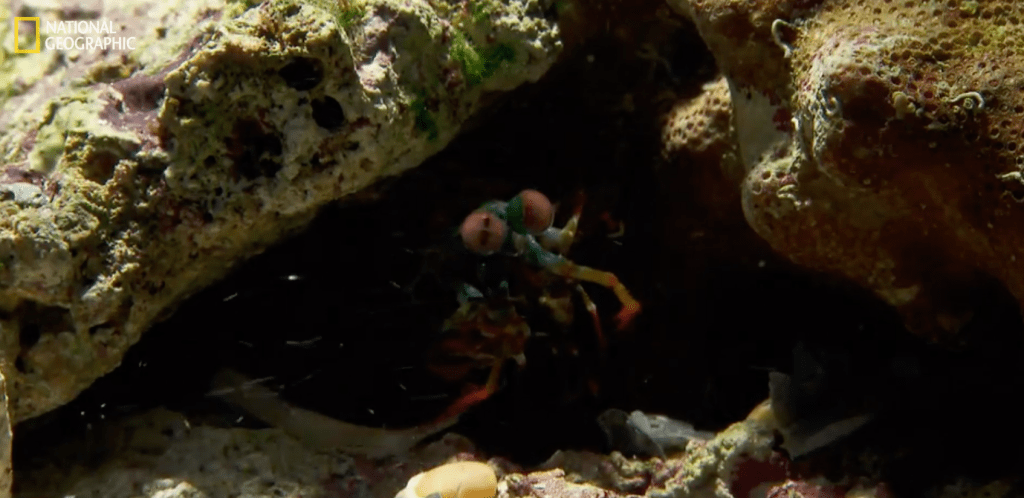
Peacock mantis shrimps need to have a home cavity because they use it for mating as well as for keeping their eggs safe and away from predators. Thus, competition for a limiting resource is beneficial for the winner, but it is negatively impacting one of the competitors.
 Biological Brilliance